
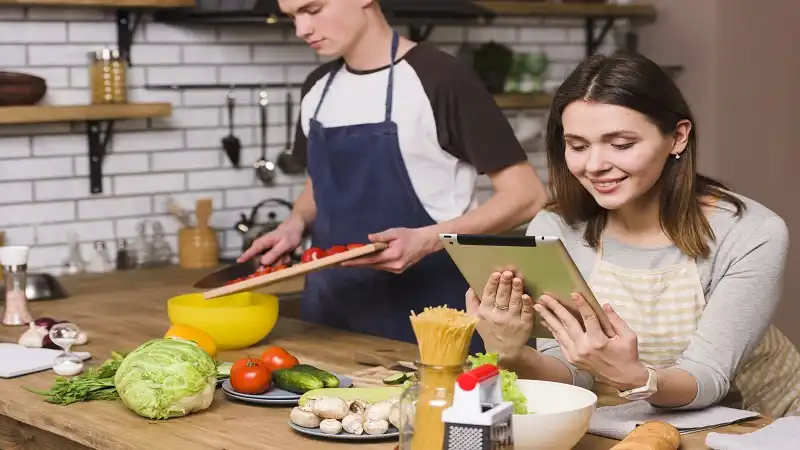
Cooking is an essential part of everyday life. It provides people with nourishment, helps families manage their food expenses, and creates opportunities to explore different tastes and traditions. However, modern lifestyles have changed the way people prepare meals. Busy schedules, work responsibilities, and changing food preferences have encouraged many households to look for simpler and more convenient cooking methods.
A well-managed kitchen does not need expensive equipment or complicated recipes. Basic cooking skills, proper organization, and thoughtful meal planning can make daily food preparation easier. Even people with limited experience can learn to prepare delicious meals by following simple instructions and practicing regularly.
Understanding www notinthekitchenanymore.com in the context of modern kitchen habits provides an opportunity to explore how people approach cooking, save time, reduce waste, and manage household responsibilities. These topics are useful for anyone who wants to develop practical kitchen skills and create a more organized daily routine.
1. Understanding the Importance of Everyday Cooking
Cooking serves several purposes beyond preparing food. It helps people understand ingredients, control portions, explore different cuisines, and develop greater independence.
When people prepare meals themselves, they can decide which ingredients to use and how their food should be prepared. This flexibility can be particularly helpful for families with different preferences or specific dietary requirements.
Cooking also encourages creativity. A few basic ingredients can be combined in many ways to create different dishes. Rice, vegetables, eggs, beans, and seasonal produce can form the foundation of numerous affordable meals.
Learning to cook does not require professional training. Starting with familiar recipes and gradually trying new techniques allows beginners to improve their confidence over time.
2. How Modern Lifestyles Have Changed Kitchen Habits
Daily routines have become increasingly varied. Many people balance employment, education, childcare, household duties, and other commitments. As a result, they may have less time to prepare elaborate meals.
The Need for Convenient Meals
Convenience has become an important consideration when planning food. Quick recipes, frozen vegetables, canned beans, and prepared ingredients can help reduce preparation time.
For example, a simple vegetable stir-fry can be prepared with a few vegetables, cooking oil, and basic seasonings. Similarly, eggs served with whole-grain bread can provide a straightforward breakfast without requiring extensive preparation.
Convenient cooking does not mean that every meal must come from a packet or restaurant. Combining fresh ingredients with useful ready-to-cook products can create a practical balance.
Changing Family Responsibilities
Kitchen responsibilities are no longer necessarily handled by one person in every household. Family members may share shopping, preparation, cooking, and cleaning tasks.
Dividing these responsibilities can make daily routines more manageable. One person might prepare vegetables while another cooks rice or sets the table.
When everyone understands their responsibilities, cooking becomes a shared activity rather than a task that falls entirely on one individual.
3. Essential Skills Every Home Cook Should Learn
Basic cooking skills help people prepare meals more confidently and avoid common mistakes.
Knife Skills and Ingredient Preparation
Learning how to wash, peel, and cut ingredients safely is a useful starting point. A stable chopping www notinthekitchenanymore.com board and a sharp, appropriate kitchen knife can make preparation easier.
Beginners should work slowly and keep their fingers away from the blade. Practicing with familiar vegetables helps develop consistency and confidence.
Understanding Cooking Temperatures
Different foods require different cooking temperatures and times. Vegetables may cook quickly, while thick pieces of meat require more careful preparation to ensure they are safe to eat.
Following reliable recipes and food-safety guidance helps prevent undercooking or burning. A food thermometer is particularly useful when preparing meat, poultry, and other foods that require specific internal temperatures.
Learning Basic Seasoning
Herbs, spices, garlic, ginger, lemon juice, and other flavorings can improve the taste of everyday meals.
Adding seasoning gradually helps prevent a dish from becoming too salty or overpowering. With practice, cooks learn how different ingredients work together.
Managing Cooking Time
Preparing ingredients before turning on the stove helps reduce confusion. Reading the entire recipe first also makes it easier to identify which steps require the most time.
These small habits can make cooking more organized, particularly when several dishes need to be prepared together.
4. Organizing a Kitchen for Better Efficiency
An organized kitchen can save time and make food preparation less stressful. The goal is to create a practical space where essential ingredients and tools are easy to find.
Keep Frequently Used Items Accessible
Store everyday utensils, cooking pans, and commonly used ingredients in convenient locations. Items used less frequently can be kept in higher cupboards or other suitable storage areas.
Clear work surfaces provide more room for chopping, mixing, and arranging ingredients. Even a small kitchen can become more functional when unnecessary clutter is removed.
Organize Pantry Ingredients
Group similar ingredients together. Grains, pasta, canned foods, baking ingredients, and spices can each have designated storage areas.
Check expiration dates and place older suitable products where they are easier to use first. This approach helps prevent forgotten ingredients from remaining unused for long periods.
Maintain Clean Cooking Surfaces
Clean countertops, utensils, and chopping boards regularly. Wash hands before handling food and keep raw meat separate from ready-to-eat ingredients.
Good hygiene is essential because harmful microorganisms can spread through contaminated surfaces and utensils.
5. Meal Planning for Busy Households
Meal planning involves deciding what to prepare before hunger and time pressure make decisions more difficult. It can be as simple as choosing several meals for the next few days.
Create a Flexible Menu
Begin by listing a few meals that suit your schedule and budget. Include quick options for busy days and recipes that require more preparation when time is available.
For example, a weekly plan might include vegetable rice, lentil soup, baked potatoes, pasta, and homemade sandwiches. These meals use familiar ingredients and can be adjusted according to personal preferences.
A flexible menu should allow substitutions when ingredients are unavailable or plans change.
Prepare Ingredients Ahead of Time
Some ingredients can be washed, chopped, or portioned before they are needed. Certain grains and beans can also be cooked in advance and stored safely.
Refrigerate perishable foods promptly and freeze suitable portions when they will not be used soon. Follow recommended storage times and reheating instructions, especially for cooked rice, meat, and dairy-based dishes.
Shop with a List
A shopping list helps households purchase what they actually need. Before visiting the grocery store, check the refrigerator, freezer, and pantry.
Buying ingredients according to planned meals can reduce unnecessary purchases and make it easier to stay within a budget.
6. Making Healthy Food Choices at Home
Preparing meals at home can provide more control over ingredients and cooking methods. However, healthy eating depends on the overall variety and balance of foods rather than one particular recipe.
Include a Variety of Ingredients
Vegetables, fruits, whole grains, beans, lentils, eggs, fish, and other protein sources can contribute to a varied diet.
Combining different food groups can make meals more satisfying. For example, lentils served with rice and vegetables provide a simple meal using affordable ingredients.
Seasonal produce may also offer good value, depending on local availability and prices.
Choose Suitable Cooking Methods
Steaming, baking, roasting, grilling, and sautéing provide different ways to prepare food. Using a variety of methods can prevent meals from becoming repetitive.
Moderating added salt and cooking fats may also help people meet their nutritional goals. Personal dietary requirements can vary, so individual needs should guide food choices.
Make Water an Everyday Habit
Water is important for normal bodily functions. Keeping drinking water accessible throughout the day can help people maintain regular hydration.
Other drinks may also contribute to fluid intake, but their sugar and caffeine content can vary. Choosing beverages thoughtfully is another small part of managing everyday eating habits.
7. Reducing Food Waste and Saving Money
Food waste can increase household expenses and place unnecessary pressure on resources. Better planning and storage can help people make more use of the food they purchase.
Use Existing Ingredients First
Before shopping, identify ingredients that need to be used soon. Vegetables can often be added to soups, omelets, rice dishes, or pasta.
Leftover cooked food may also be incorporated into another meal when it has been handled and stored safely.
Store Food Correctly
Different ingredients need different storage conditions. Refrigerate perishable foods and keep dry goods in clean, dry containers.
Labeling frozen portions with their contents and preparation dates makes them easier to identify later. Avoid keeping food beyond recommended storage periods.
Plan Portions Carefully
Preparing excessive quantities can lead to unnecessary leftovers. Start with suitable portions and adjust quantities according to household needs.
When preparing larger batches, divide food into appropriate containers and refrigerate or freeze it promptly. This makes future meals more convenient without compromising food safety.
8. The Role of Technology in Modern Cooking
Technology has introduced many tools that can simplify kitchen tasks. Microwaves, rice cookers, pressure cookers, blenders, and air fryers can help people prepare different foods with less effort.
Recipe applications and digital meal planners can also help users organize ingredients, save instructions, and plan shopping.
However, purchasing every new appliance is unnecessary. Before buying equipment, consider the available space, household budget, and tasks that genuinely need improvement.
The most useful kitchen tools are those that fit naturally into everyday routines. Traditional cooking skills remain valuable even when modern appliances are available.
9. Making Cooking Enjoyable and Sustainable
Cooking becomes easier to maintain when it fits a person’s lifestyle. Some people enjoy preparing elaborate meals, while others prefer simple dishes that require minimal preparation.
Exploring www notinthekitchenanymore.com as a phrase associated with changing kitchen routines can lead to a broader understanding of how convenience and practical skills can work together.
Rather than aiming for perfect meals every day, individuals can focus on achievable improvements. Learning one new recipe, organizing a cupboard, or preparing ingredients in advance can make a meaningful difference.
Cooking can also be a social activity. Family members and friends can share recipes, exchange cooking tips, and prepare meals together. These experiences can help preserve cultural traditions and create enjoyable memories.
A sustainable routine should be flexible enough to accommodate busy periods, changing budgets, and different food preferences.
10. Common Kitchen Problems and Practical Solutions
Even experienced cooks encounter difficulties. Understanding simple solutions can help prevent small problems from becoming frustrating.
Meals Taste Bland
Try adjusting seasonings gradually. Herbs, spices, garlic, lemon juice, and suitable sauces can improve flavor. Allowing enough cooking time for ingredients to develop their flavors may also help.
Food Burns Easily
Use appropriate heat settings and choose cookware suitable for the recipe. Stir food when necessary and avoid leaving pans unattended, especially when cooking with oil.
Cooking Takes Too Long
Choose recipes with fewer steps and ingredients. Prepare ingredients before cooking and use appliances when they offer a genuine time-saving benefit.
Ingredients Spoil Before Use
Plan meals around foods already available and purchase smaller quantities of highly perishable ingredients when practical. Freezing suitable foods can also help extend their usable storage period.
These solutions encourage a more confident and organized approach to everyday food preparation.
Conclusion
Modern kitchen habits reflect changing schedules, household responsibilities, technology, and food preferences. Although convenience plays an important role in contemporary life, basic cooking skills and thoughtful planning remain useful.
People can improve their kitchen routines by organizing ingredients, learning simple recipes, practicing food safety, and planning meals according to their budgets and schedules. These habits may reduce waste, save time, and make everyday food preparation more manageable.
The wider discussion around www notinthekitchenanymore.com highlights an important principle: cooking routines should serve people’s needs rather than create unnecessary pressure. With practical skills, flexible planning, and a willingness to learn, anyone can develop a kitchen routine that supports a more organized and enjoyable daily life.